
Why the Layout of Your Athletic Training Room Matters
A well-designed athletic training room is crucial for both the efficiency of sports professionals and the recovery journey of athletes. The layout impacts the functionality, safety, and effectiveness of the training processes that take place within its walls. This article explores why the layout of your athletic training room matters and provides insights into optimizing this critical space. Understanding the intricacies of an athletic training room’s layout helps in creating an environment that nurtures physical improvement while preventing injuries. By focusing on specific design elements, sports facilities can ensure they meet the diverse needs of athletes, trainers, and other stakeholders.
Enhancing Athlete Recovery and Performance
Promoting Efficient Rehabilitation
Efficient rehabilitation is at the heart of athlete recovery. A well-structured layout streamlines the pathways from injury diagnosis to treatment areas, reducing unnecessary movement and stress on injured athletes. This design ensures that trainers have quick access to essential assets, facilitating timely and effective rehabilitation. By maximizing the use of space, facilities can incorporate visually clear zones dedicated to specific rehabilitative activities, such as physical therapy or strength training. Properly designed spaces allow the implementation of exercise regimens that align with expert guidelines, such as the Mayo Clinic’s recommendation of completing 12 to 15 repetitions per set of a given exercise for optimal results.
The seamless integration of rehabilitative and performance-enhancing activities ensures that athletes can transition smoothly between different recovery stages. This approach promotes a holistic healing environment tailored to individual needs. Customized layouts accommodate personalized rehabilitation plans, catering to the unique requirements of each athlete’s condition. By incorporating dedicated spaces for diverse therapeutic modalities, trainers can offer comprehensive care under one roof. Such arrangements not only improve recovery outcomes but also build confidence among athletes, knowing they have access to all the resources necessary to regain peak performance.
Beyond physical recovery, emotionally supportive environments can promote mental resilience during rehabilitation. A crucial design element is the inclusion of private spaces where athletes can focus without distraction. Privacy fosters a more focused recovery process and allows athletes to discuss sensitive issues with trainers or mental health professionals. Positive environmental factors, such as natural lighting and motivational decor, can significantly boost mood and encourage adherence to rehabilitation protocols. Together, these elements enhance both the physical and psychological well-being of athletes during their recovery journey.
Reducing Stress and Fatigue
A thoughtfully designed athletic training room layout can vastly reduce stress and fatigue. By strategically arranging rest areas away from high-traffic zones, athletes are afforded the calm needed for rest and recuperation. Ensuring that training equipment is easily accessible and organized minimizes the energy expenditure required to locate and set up needed items, conserving the athlete’s overall energy. Clear pathways and organized zones allow for smooth transitions between activities, decreasing unnecessary stress and promoting mental clarity. Ultimately, a stress-reducing environment enhances athlete performance and accelerates recovery by mitigating the potential negative impact of fatigue.
The strategic placement of hydration stations and rest areas can improve recovery efficiency. By making these stations readily accessible, athletes are more likely to maintain optimum hydration levels and acknowledge their need for rest during intense training. Furthermore, fatigue can be minimized by incorporating dedicated spaces for specific recovery activities, allowing athletes to alternate between strenuous exercises and relaxation or stretching. Emphasizing diversity in recovery options facilitates muscle repair and reduces the risk of burnout. Such holistic approaches to stress reduction underline the importance of a versatile and purposeful training room layout.
An inclusive and comfortable training space also plays a significant role in reducing stress. Attention to environmental factors, such as temperature control and acoustics, ensures that athletes can train without discomfort or distraction. By tuning into the subtle yet impactful environmental aspects, athletes can experience an atmosphere geared towards serenity and focus. Incorporating design elements that reflect a team’s aspirations and achievements helps boost morale while fostering a positive atmosphere. Altogether, these components underscore the transformative effect of a supportive environment on reducing stress and, subsequently, enhancing performance.
Fostering a Positive Mental Attitude
The design of an athletic training room can significantly influence the mental state of its users. Providing ample space and comfortable surroundings for activities can foster a serene atmosphere conducive to mental clarity and focus. A well-laid-out facility separates high-energy areas from those meant for tranquility, like relaxation and meditation stations, encouraging athletes to manage stress and anxiety effectively. Moreover, the introduction of design elements such as natural light and visually appealing aesthetics can improve athletes' mood and motivation. In this way, the room’s layout plays a significant role in developing a positive mental attitude towards training and rehabilitation.
Supporting a positive mental stance requires creating environments that reflect inclusivity and encouragement. Training areas that incorporate inspirational messages, team colors, and personal achievements highlight a sense of belonging and pride among athletes. Design features that celebrate personal and collective accomplishments boost morale and validate the hard work invested in training. Such affirmations can reinforce an athlete’s commitment to their sport and bolster their resolve during challenging times. By fostering a sense of community through thoughtful design, training rooms facilitate a positive mental attitude critical for athletic success.
Opportunities for social engagement within a training facility also contribute to a positive mentality. Communal spaces designed for team activities encourage bonding and bolster interpersonal relationships, providing emotional support networks. The integration of zones for group exercises or therapy sessions fosters collaboration and camaraderie, reinforcing team spirit and motivation. These spaces also offer opportunities for shared experiences that strengthen team cohesion and inspire mutual growth. Ultimately, fostering a collaborative environment rooted in a thoughtful layout can significantly influence athletes’ mental well-being and contribute to sustained performance success.
Maximizing Space for Effective Movement
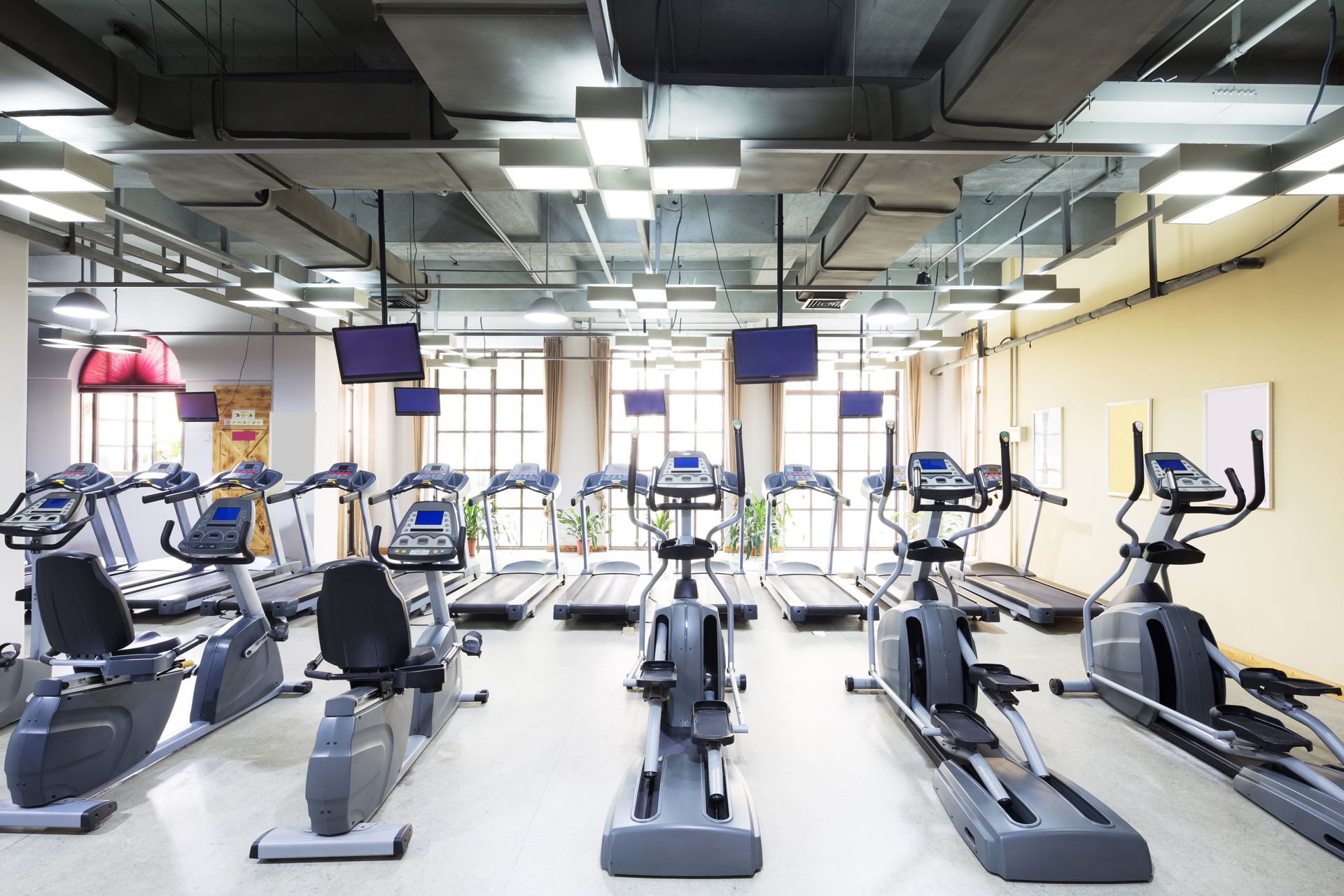
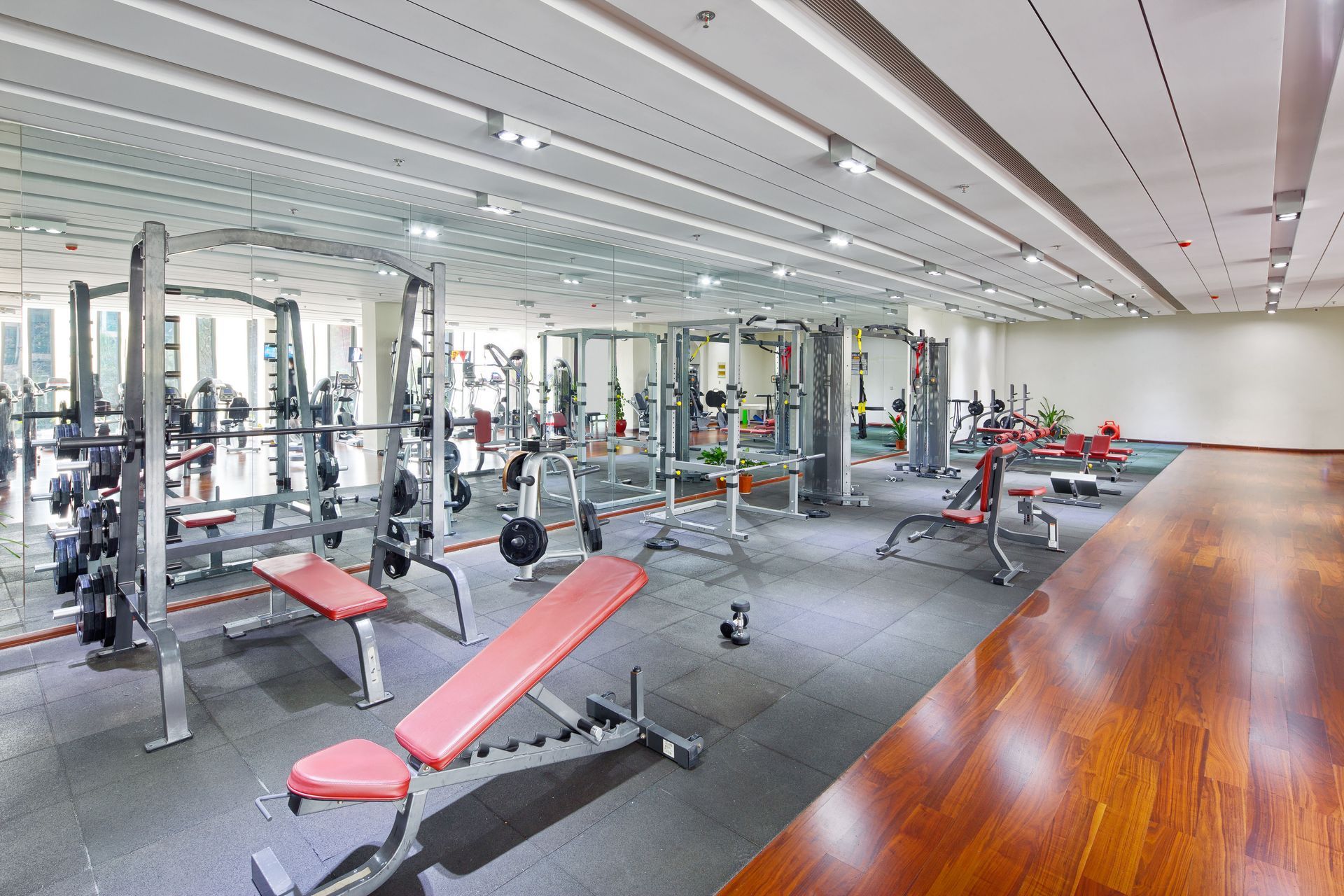
Effective movement is essential to a functional training environment, and thoughtful room layouts play a pivotal role in maximizing usable space. By strategically positioning equipment and open areas, athletes are encouraged to move freely and safely across the training room without hindrance. Sufficient space allocation allows for dynamic movement sequences, essential in sports that require diverse agility, helping trainers simulate real-world scenarios athletes face during competitions. Organized and open layouts also minimize the risk of accidents by reducing clutter and promoting visibility. Such designs highlight the importance of making the most of available space to support efficient and effective athletic training.
Additionally, a well-planned configuration supports varied training regimens, ensuring ample room for personalized and group exercises. With the ability to easily reconfigure the space using modular and mobile equipment, athletes and trainers can adjust their environment to accommodate specific training needs. Versatile spaces cater to activities ranging from stretching to aerobics and strength training, highlighting the adaptability of a flexible design. By embracing multi-functional layouts, training facilities can enhance both the breadth and quality of exercises available, supporting comprehensive athletic development. Emphasizing adaptability and space awareness ensures that training environments cater to evolving athletic requirements.
Furthermore, a layout that promotes effective movement takes into consideration the integration of technology to enhance training outcomes. Incorporating tools such as motion sensors or virtual reality stations can enrich the training experience by offering real-time performance feedback and aiding injury assessment. These technological enhancements seamlessly integrate into a carefully planned training facility, providing trainers with data-driven insights that enable personalized interventions. By leveraging technology, facilities can optimize space to track performance metrics and facilitate continuous improvement. Ultimately, prioritizing movement-friendly layouts underscores the importance of spatial awareness and adaptability in fostering effective athletic environments. According to Mayo Clinic, the ideal number of repetitions of a given exercise in a single set is between 12 and 15. Be sure to reach out to Collins Facility Design today to learn more about our professional athletic training room!

Share On: