
9 Tips for Success in the Sports Training Room
Every championship season, every personal record, and every successful return from injury has one thing in common: it starts in the sports training room. Whether you're managing a collegiate athletics program, running a high school weight room, or overseeing a professional franchise's performance facility, the space where athletes train shapes the outcomes they achieve. A well-run sports training room does more than house equipment. It creates the conditions for consistent progress, injury prevention, and long-term athletic development.
Too often, though, training rooms are treated as an afterthought rather than a strategic asset. Coaches and administrators focus on rosters, schedules, and game-day logistics while the training environment itself gets minimal attention. That's a mistake. The physical space, the equipment inside it, and the systems that govern its daily use all directly influence athlete performance and safety. Below are some practical, proven strategies for building and maintaining a sports training room that actually delivers results.
1. Prioritize Safety Above All Else
Safety has to be the non-negotiable foundation of any sports training room. This means clear walkways free of clutter, properly maintained equipment, visible emergency protocols, and staff trained in first aid and emergency response. Flooring matters too. Impact-absorbing surfaces reduce joint stress and lower the risk of slips during high-intensity movements.
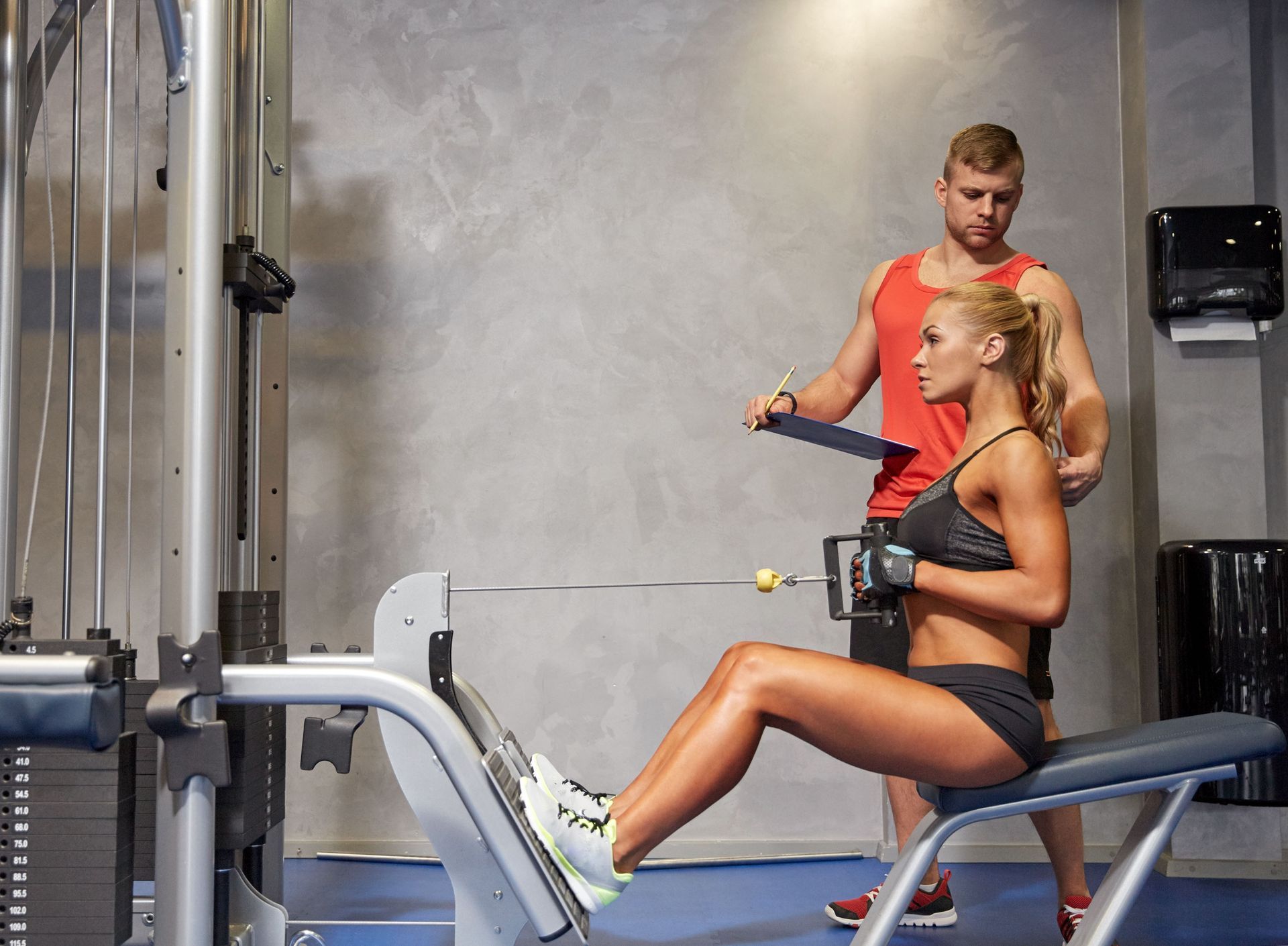
Beyond physical safeguards, safety also depends on supervision ratios. Athletes should never be left unsupervised while using free weights, resistance machines, or conditioning equipment, particularly during high-volume training periods. A culture of safety, reinforced daily, prevents the kind of incidents that sideline athletes and create liability concerns for programs.
2. Design for Efficient Traffic Flow
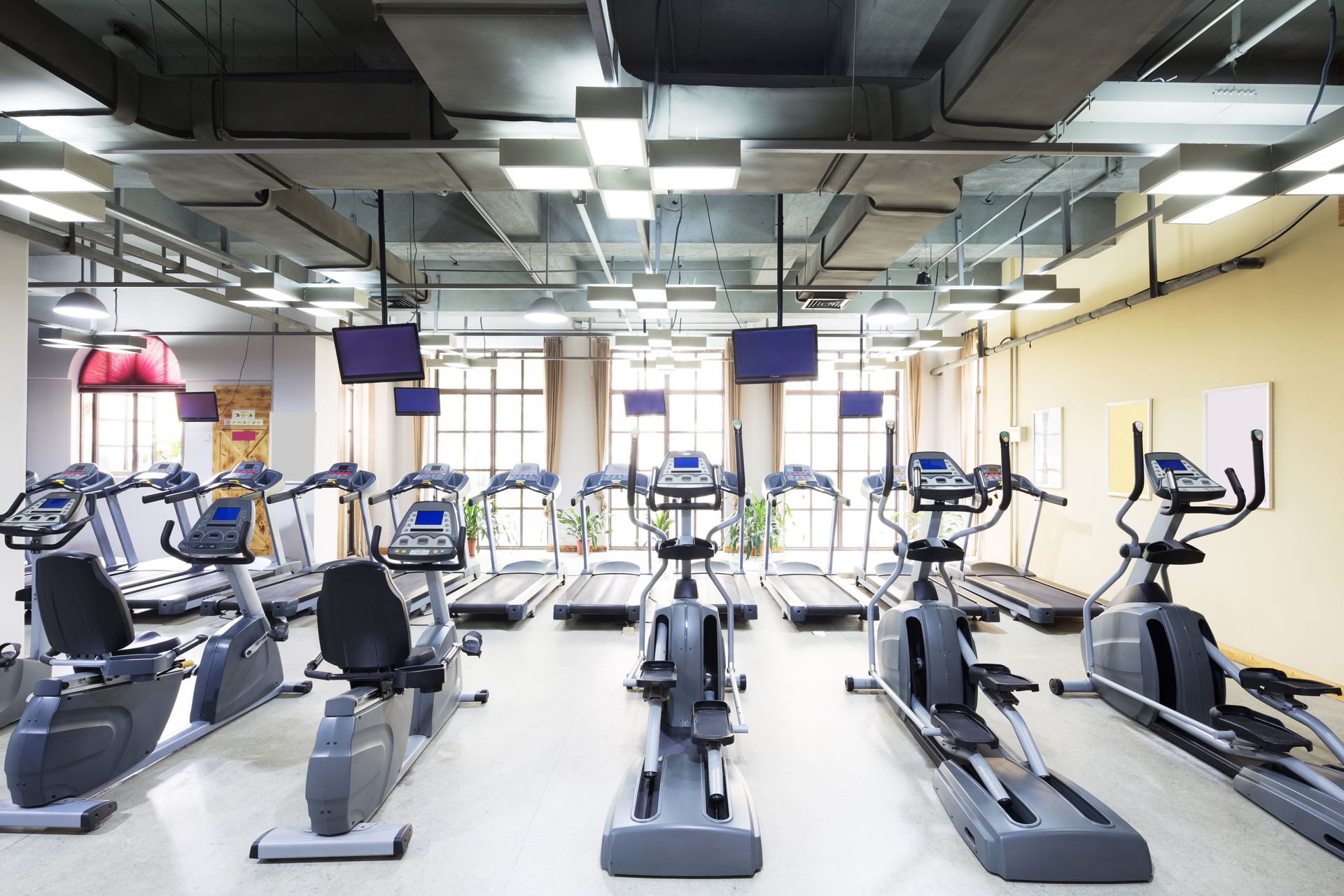
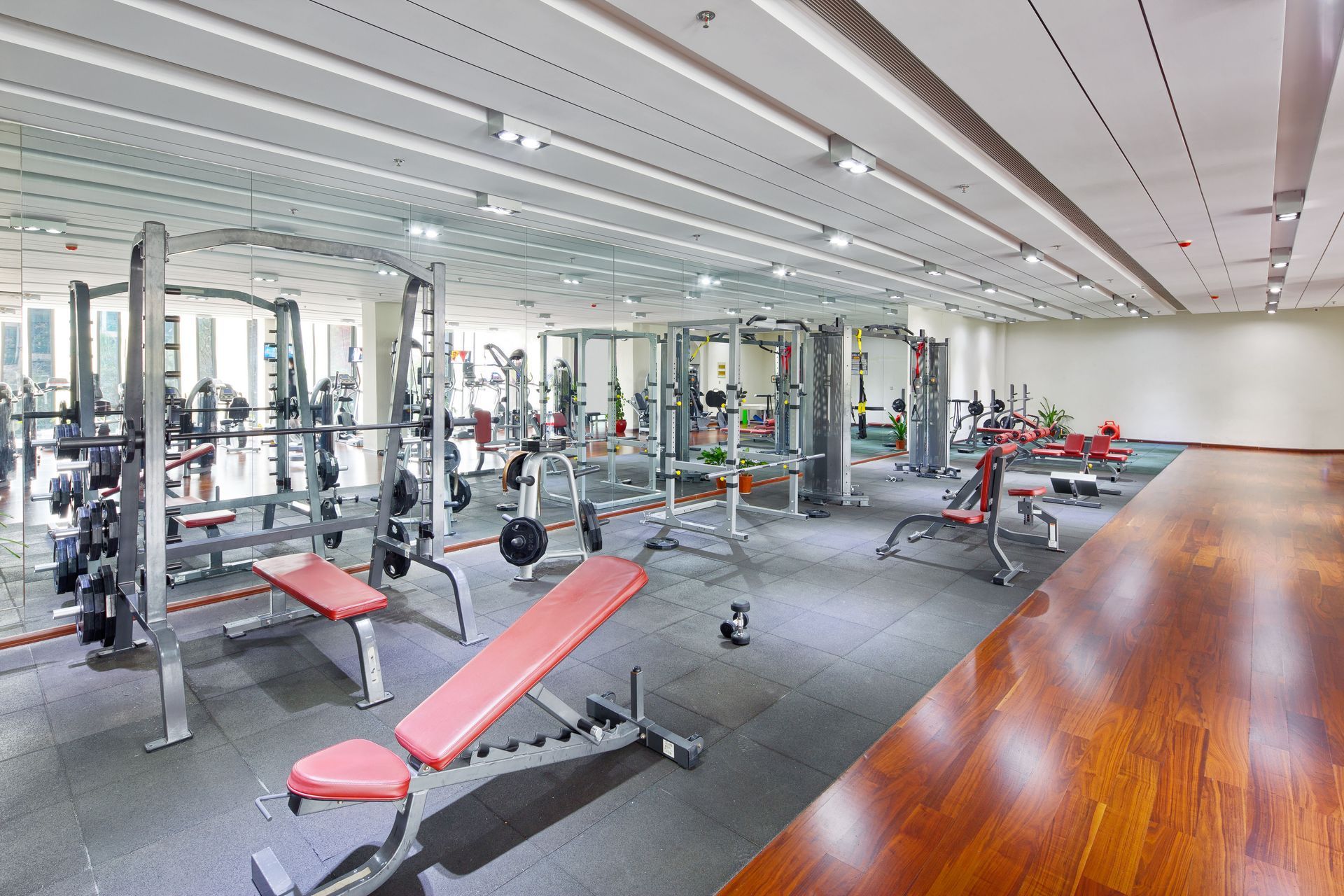
The layout of a sports training room directly affects how smoothly athletes move between stations, how quickly staff can respond to needs, and how well the space handles peak-hour congestion. Poorly designed layouts create bottlenecks, forcing athletes to wait for equipment or navigate around each other during time-sensitive sessions.
Effective traffic flow separates high-impact zones, such as plyometric or sprint areas, from strength and mobility stations. It also accounts for natural movement patterns, guiding athletes logically from warm-up to primary training to cooldown. When a sports training room is organized around how athletes actually move through a session, efficiency and safety both improve.
3. Invest in Versatile Equipment
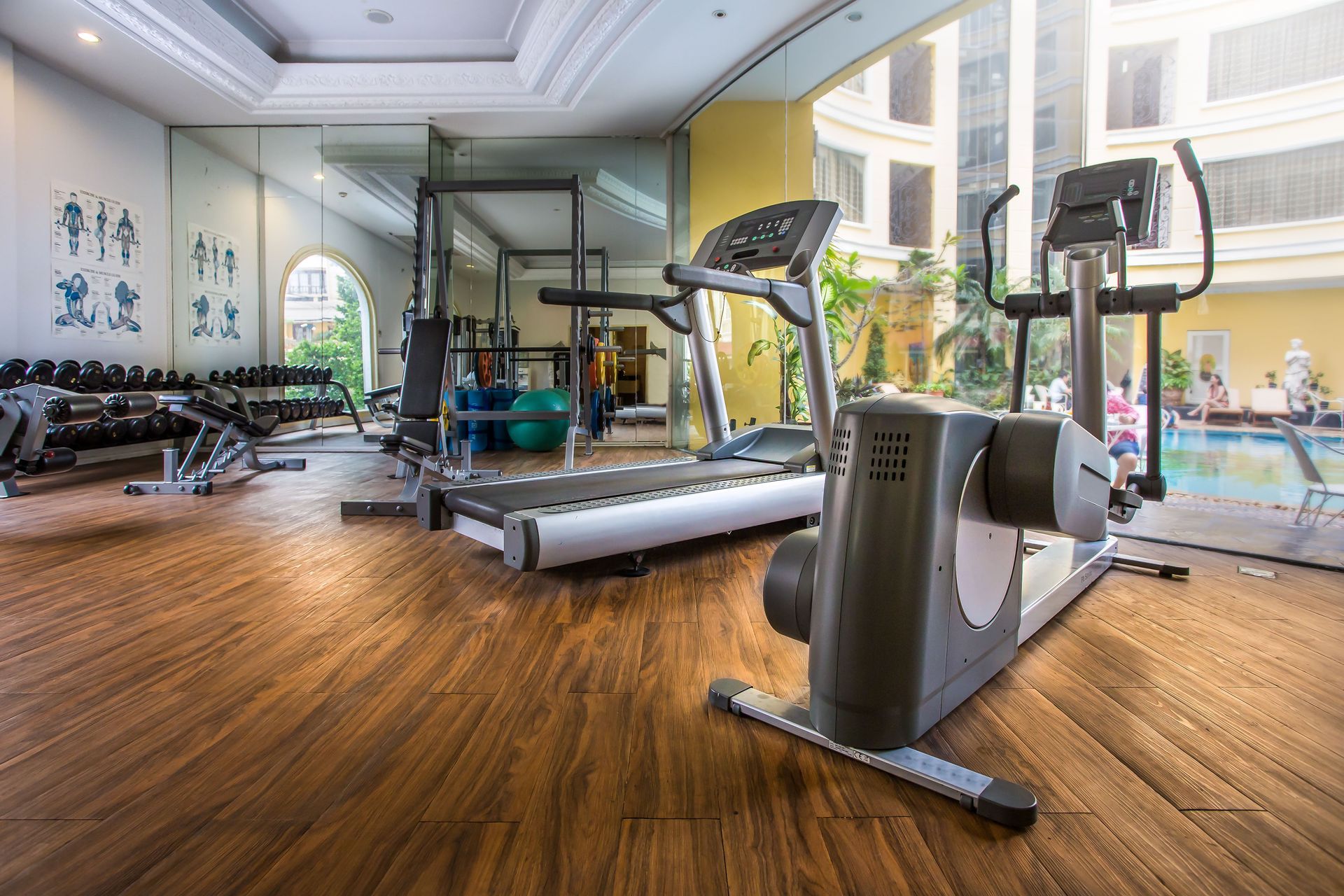
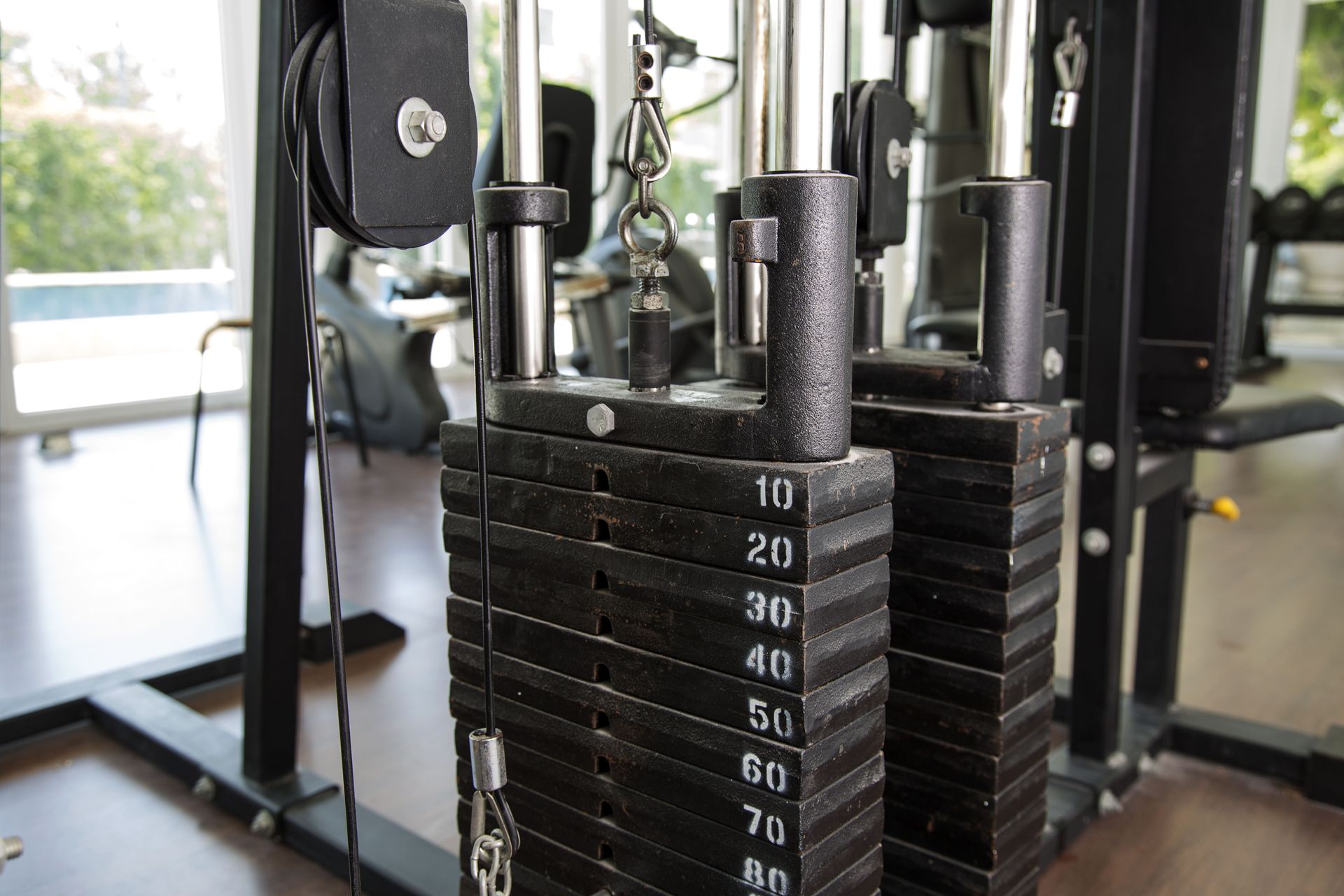
Not every program has an unlimited equipment budget, which makes strategic purchasing decisions critical. Versatile equipment, such as adjustable racks, multi-function cable machines, and modular platforms, allows a single sports training room to serve athletes across multiple sports and training phases without requiring constant reconfiguration.
Versatility also supports periodization. Athletes move through different training blocks throughout a season, from hypertrophy-focused phases to power and speed development. Equipment that adapts to these shifting demands extends the useful life of a facility's investment and ensures the space remains relevant as training philosophies evolve.
4. Schedule Balanced Training Sessions
Even the best-equipped sports training room can't compensate for poorly structured programming. Overtraining is a common and preventable problem, particularly among young athletes eager to outwork their competition. Balanced scheduling protects athletes from burnout while still driving measurable progress.
Recovery isn't the enemy of performance, it's a requirement for it. According to Atlantic Health, dedicating just 40 to 90 minutes a week to strength training is enough to build muscle without pushing the body into overexertion. That statistic underscores an important truth: more time in the training room doesn't automatically translate to better results. Smart, well-paced programming does.
5. Maintain Clean and Organized Spaces
Cleanliness in a sports training room isn't just about appearances, it's about hygiene, equipment longevity, and daily functionality. Sweat, shared equipment, and high foot traffic create an environment where bacteria and viruses can spread quickly if surfaces aren't regularly sanitized. A consistent cleaning protocol protects athlete health and reduces missed training time due to illness.
Organization matters just as much. Equipment stored in designated, labeled locations reduces setup time and keeps sessions running on schedule. When staff and athletes know exactly where to find bands, medicine balls, or recovery tools, the entire facility operates more efficiently, and the training room itself feels more professional and purposeful.
6. Support Recovery and Injury Prevention
A sports training room that focuses exclusively on output, without dedicated space for recovery, is only doing half its job. Foam rollers, mobility tools, compression equipment, and stretching areas should occupy as much strategic real estate as the strength stations. Recovery isn't a luxury add-on, it's a core function of athletic development.
Injury prevention programming, including mobility screenings and corrective exercise protocols, should also be built into the regular use of the space. Athletes who incorporate recovery work consistently are statistically less likely to experience overuse injuries, which keeps them available for competition and reduces the burden on athletic training staff.
7. Track Progress With Consistent Data
A sports training room becomes far more valuable when performance data is tracked consistently over time. Logging metrics like strength gains, mobility scores, and recovery trends allows coaches to make informed adjustments rather than relying on guesswork. Simple tracking systems, whether digital dashboards or straightforward spreadsheets, help identify plateaus early and highlight athletes who may need modified programming.
This data also supports better communication with athletic trainers and medical staff, creating a shared understanding of each athlete's progress. Over a full season, consistent tracking transforms the training room from a place of activity into a genuine engine for measurable, sustained athletic improvement.
8. Foster a Culture of Accountability
The physical space matters, but the culture inside a sports training room ultimately determines how effectively it's used. Athletes who feel accountable to coaches, teammates, and their own goals show up more consistently and push through sessions with greater focus.
Clear expectations around attendance, effort, and respect for shared equipment set the tone for a productive environment. Coaches and staff play a critical role here, modeling the discipline they expect from athletes. When accountability becomes part of the daily rhythm, the training room stops being just a facility and becomes a driving force behind the team's collective success.
9. Partner With Experienced Designers
Perhaps the most overlooked tip on this list is also the most impactful: the physical design of a sports training room should never be left to guesswork. Facility layout, equipment placement, ventilation, lighting, and flooring all interact in ways that either support or undermine athletic performance. Professional design expertise ensures these elements work together rather than against each other.
A professionally designed sports training room accounts for airflow patterns that keep athletes cool during intense sessions, sightlines that allow staff to supervise multiple zones simultaneously, and acoustics that reduce distracting noise. These details are easy to overlook when a facility is built without specialized input, but they have a measurable impact on daily performance and long-term athlete satisfaction. Programs that invest in expert design consistently report smoother operations, fewer safety incidents, and training environments that athletes genuinely want to use.
Success in the sports training room isn't accidental. It's the product of deliberate decisions about safety, layout, equipment, scheduling, cleanliness, recovery, and design. Programs that treat their training environment as a strategic priority, rather than an afterthought, consistently see the payoff in athlete performance, injury reduction, and long-term program credibility.
The common thread running through all of these tips is intentionality. Every square foot of a sports training room should serve a purpose, whether that's guiding athlete movement, supporting recovery, or reinforcing safety protocols. When these elements come together, the result is a facility that doesn't just accommodate training, it actively enhances it.
If your program is ready to elevate its training environment, we'd love to help. At Collins Facility Design, we specialize in creating high-performance training spaces built around how athletes actually train, recover, and progress. Contact us to learn how we can help you design a training room that sets your athletes up for lasting success.


Share On: